用友印尼代表受邀出席DTI-CX 2026圆桌论坛,分享工业数智化落地实践
本文整理自「用友官网新闻中心」,由合肥应友云软件服务中心整理发布,供客户参考学习。

Yonyou Indonesia General Manager Bruce Xu
Invited as Panelist at DTI-CX 2026,
Sharing Insights on Scaling Industrial Digital Adoption
yonyou
Jakarta|5 August 2026
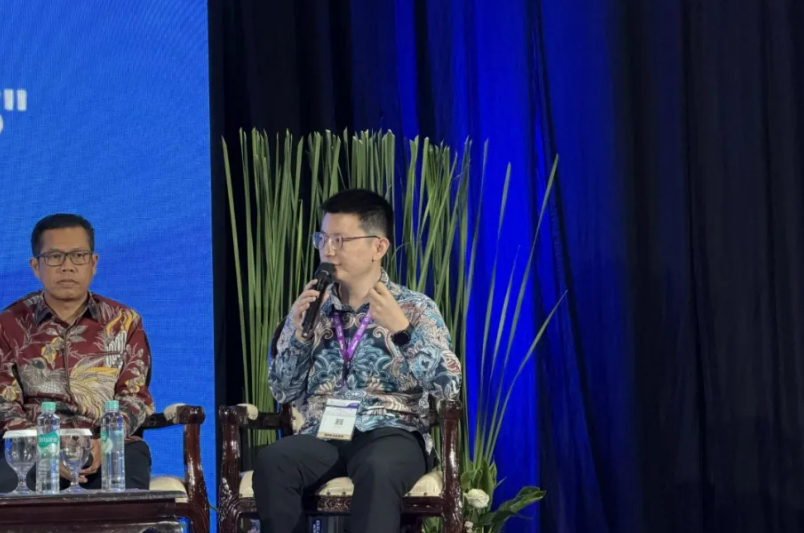
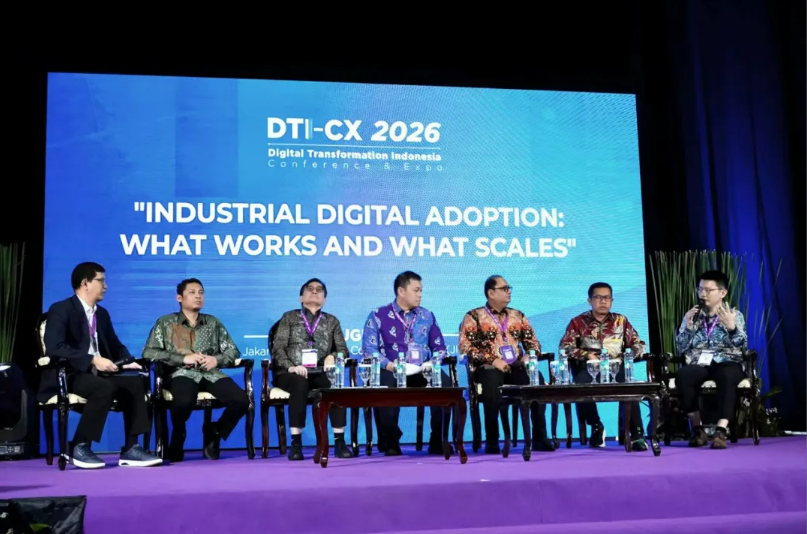
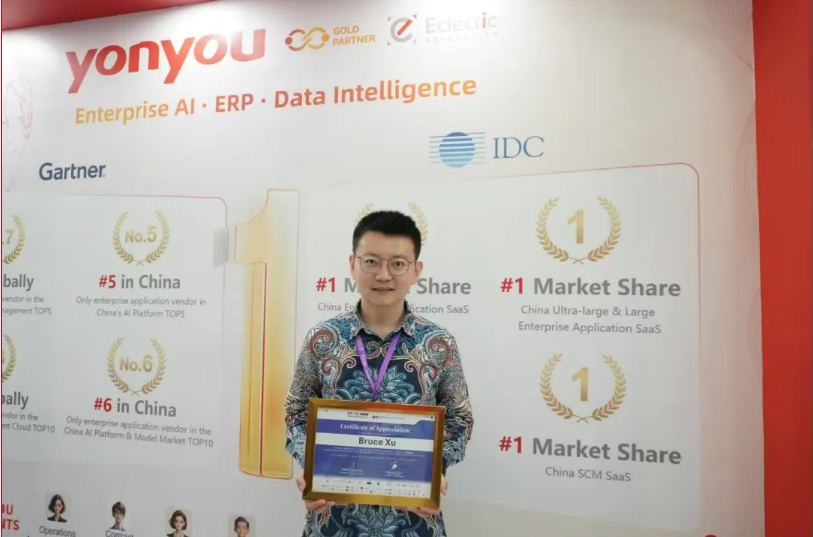
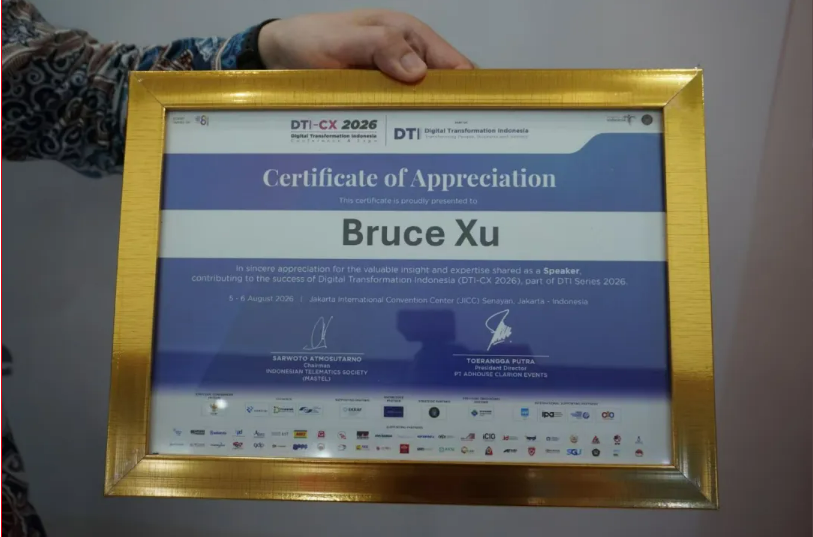
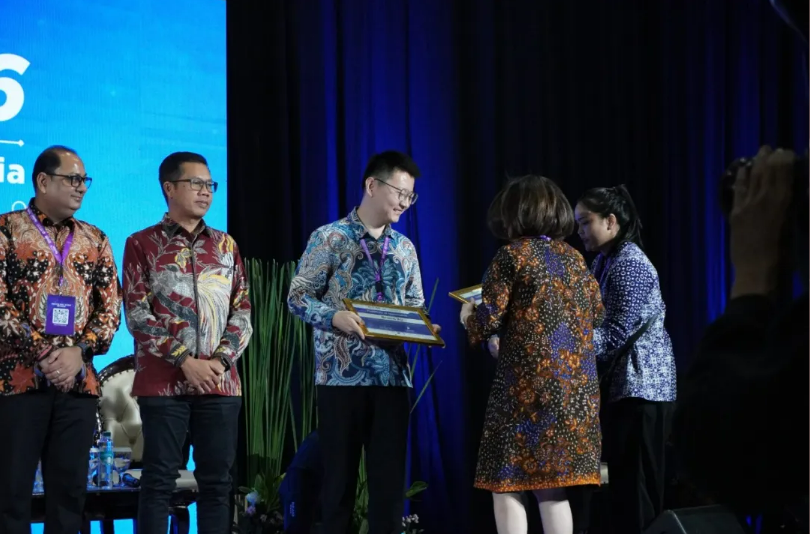
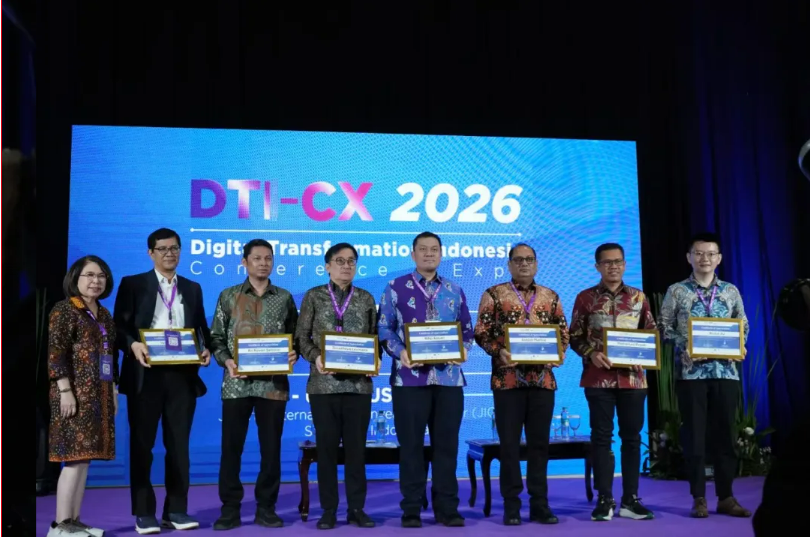
8月5日至6日,Digital Transformation Indonesia Conference & Expo(DTI-CX) 2026在Jakarta International Convention Center,JICC成功举办。用友印尼总经理徐华受邀担任主题为“Industrial Digital Adoption: What Works and What Scales”的圆桌论坛嘉宾,与来自印尼政府、行业协会及领先科技企业的代表共同探讨工业数智化转型的实践路径,以及推动成功项目在企业内实现规模化落地的关键因素。论坛中,徐华围绕成功试点为何难以规模化、企业如何管理跨地区多组织实施项目,以及领导力、标准化流程与可信数据为何是实现可持续转型的关键等议题,分享了实践洞见。
论坛由 Indonesia ICT Institute 执行董事 Heru Sutadi 主持,汇聚来自印尼政府、行业协会及科技企业的多位代表,包括印度尼西亚工业部电子与远程信息产业司司长 Rifqi Ansari、PT Pupuk Indonesia 信息技术高级副总裁 Ari Novan Setiono、CIO Association 财务长 Ashish Mathur、GAPMMI 工业 4.0 实施委员会委员兼 Sinarmas Life Science 利益相关方合作负责人 Timotheus Lesmana,以及 Huawei Indonesia ICT Strategy & Business Director Mohamad Rosidi 等嘉宾,共同围绕工业数智化应用实践、规模化落地路径,以及 AI 驱动产业转型的发展趋势展开深入交流。
On 5–6 August 2026, the Digital Transformation Indonesia Conference & Expo (DTI-CX) 2026 was held at the Jakarta International Convention Center (JICC). Mr. Bruce Xu, General Manager of Yonyou Indonesia, was invited to serve as a panelist in the discussion titled “Industrial Digital Adoption: What Works and What Scales.” He joined representatives from the Indonesian government, industry associations, and leading technology companies to discuss practical approaches to industrial digital transformation and the factors required to expand successful initiatives across organizations. Mr. Xu shared practical insights into why successful pilot projects often fail to scale, how organizations can manage implementations across multiple locations, and why leadership, standardized processes, and trusted data are essential to sustainable transformation.
Moderated by Heru Sutadi, Executive Director of the Indonesia ICT Institute, the panel brought together distinguished representatives from the Indonesian government, industry associations, and leading technology companies, including Rifqi Ansari, Director of Electronics and Telematics Industry at the Ministry of Industry of the Republic of Indonesia; Ari Novan Setiono, Senior Vice President (SVP) of Information Technology at PT Pupuk Indonesia; Ashish Mathur, Treasurer of the CIO Association; Timotheus Lesmana, Committee Member of Industry 4.0 Implementation at GAPMMI and Head of Stakeholder Engagement & Partnership at Sinarmas Life Science; and Mohamad Rosidi, Director of ICT Strategy & Business at Huawei Indonesia. Together, they exchanged insights on industrial digital intelligence adoption, scalable transformation strategies, and the evolving role of AI in accelerating industrial transformation.
左右滑动查看更多
关于DTI-CX
作为印尼具有影响力的数字化转型盛会之一,本届DTI-CX共设有133余场专题会议,汇聚来自16个行业的260余位演讲嘉宾,吸引199余家科技企业参展,并迎来超过13,000名专业观众及参会嘉宾。大会为政府代表、企业管理者、IT专业人士及技术服务商搭建了重要交流平台,共同探讨人工智能、云计算、大数据、网络安全、智能制造及企业数智化转型等热门议题。在众多议题中,本场圆桌论坛重点聚焦制造企业普遍关注的一个核心问题:如何走出单点技术试点,推动数智化应用规模化落地,并创造可衡量的业务成果。
As one of Indonesia's leading digital transformation events, DTI-CX 2026 featured more than 133 conference sessions, over 260 speakers from 16 industry sectors, more than 199 technology exhibitors, and over 13,000 professional visitors and delegates. The event provided an important platform for government representatives, business leaders, IT professionals, and technology providers to exchange ideas on artificial intelligence, cloud computing, big data, cybersecurity, smart manufacturing, and enterprise digital transformation. Within this broad agenda, the panel focused on a particularly important question for manufacturers how to move beyond isolated technology trials and achieve digital adoption that delivers measurable results at scale.
论坛精彩回顾
圆桌论坛中,与会嘉宾围绕制造企业推进工业数智化转型过程中普遍关注的议题提出了一系列问题,包括成功试点为何难以规模化落地、如何管理复杂的多地点实施项目、如何评估长期技术合作伙伴、如何夯实印尼工业4.0与AI应用基础,以及制造企业应优先关注哪些关键事项。针对这些问题,徐华结合用友的实践经验分享了深入见解。以下为本次讨论的五个核心问题及主要观点。
During the panel discussion, several questions were raised around the common challenges manufacturers face in their industrial digital transformation journeys, including why successful pilots fail to scale, how to manage complex multi-site implementations, how to evaluate long-term technology partners, how to build the right foundation for Industry 4.0 and AI, and what manufacturers should prioritize first. In response, Mr. Xu shared insights based on Yonyou’s practical experience. The following are five key questions and takeaways from the discussion.
01 数智化转型试点成功,但为何难以规模化落地?
Why Do Successful
Pilots Fail to Scale?
试点项目验证技术是否可行,规模化落地则检验组织是否有效运转。当一项解决方案从单一部门或单个工厂推广至更广泛的业务范围时,其成功与否不仅取决于系统本身,更取决于企业能否有效协调流程、数据、人员与职责。因此,规模化落地真正考验的是企业是否具备在不同部门和地点持续推动并深化转型的组织能力。
企业在推进规模化落地时,通常会面临三大难点:试点项目未与可衡量的业务成果挂钩;不同地点的流程与主数据缺乏一致性;以及缺少一位获得充分授权、能够对转型结果负责的业务负责人。这些难点说明,试点项目可以由IT部门发起,但要实现规模化落地,就必须将其提升为一场由业务目标驱动、由组织共同参与的业务变革。
A pilot proves that the technology works. Scaling tests whether the organization works. Once a solution moves beyond a single department or factory, success depends not only on the system itself, but also on the organization’s ability to align its processes, data, people, and responsibilities. Scaling therefore reveals whether the organization is ready to adopt and sustain the transformation across different divisions and locations.
Companies usually encounter three main difficulties: the pilot is not linked to measurable business outcomes; processes and master data are inconsistent across locations; and there is no empowered business owner accountable for the transformation. These challenges demonstrate that a pilot may begin as an IT project, but scaling must become a business transformation driven by shared objectives and organization-wide participation.
How Does Yonyou Govern
Complex Multi-Site Rollouts?
在覆盖多个工厂、分支机构或子公司的大型项目中,软件配置往往并非最困难的环节,真正的挑战在于建立统一的业务模板、一致的数据标准,以及清晰的流程责任机制。
正如徐华所强调的:“流程不一致,自动化就无法实现规模化。”只有夯实这些共同基础,企业才能将成功实践稳定复制到更多地点。
对于覆盖多个地点的复杂实施项目,清晰完善的合同固然是重要基础,但强有力的项目治理才是确保执行方向始终一致的关键。用友重点关注四个方面:清晰的企业级蓝图、客观明确的阶段验收标准、由管理层、业务部门与IT团队共同参与的联合治理机制,以及分阶段实施计划。这些要素有助于企业统一决策方向、明确各方职责,并在进入下一阶段前对实施成果进行客观评估。
企业无需一次性在所有地点上线新系统,而可以先在选定的业务实体中建立并稳定一套通用模板,总结实施经验,再将经过验证的模式逐步复制到集团其他组织。其核心原则是:一个平台、一套治理模式,分阶段有序推进。YonBIP通过一体化平台连接财务、供应链、采购、制造及资产管理等核心领域。通过将不同业务职能及其底层数据纳入统一环境,YonBIP能够帮助企业推进流程标准化、保持不同业务实体间的数据一致性,并将经过验证的运营模式逐步推广至更多地点。
In large projects covering multiple factories, branches, or subsidiaries, configuring the software is rarely the hardest part. The real challenge is establishing one shared business template, one consistent data standard, and clear process ownership across the organization.
As Mr. Xu emphasized, “You cannot scale automation on top of inconsistent processes.” Only after establishing these common foundations can an organization reliably replicate successful practices across additional locations.
For complex implementations across multiple locations, a clear contract provides an important foundation, but strong governance determines whether execution stays aligned. At Yonyou, this governance model focuses on four priorities: a clear enterprise blueprint, objective checkpoints for each stage, joint governance involving executives, business teams, and IT, and a phased implementation plan. Together, these elements help ensure that decisions remain aligned, responsibilities are clearly assigned, and each stage is evaluated before the implementation moves forward.
Instead of introducing a new system everywhere at once, organizations can first establish and stabilize a common template in selected business entities, capture lessons from the implementation, and then apply the proven model across the group. This follows a clear principle: one platform and one governance model, implemented in manageable stages. YonBIP supports this approach through an integrated platform connecting finance, supply chain, procurement, manufacturing, and asset management. By bringing these functions and their underlying data into a shared environment, YonBIP helps organizations standardize processes, maintain consistent information across business entities, and gradually extend a proven operating model to additional locations.
How Should Manufacturers
Evaluate Technology Vendors?
制造企业在评估技术服务商时,不应只关注产品演示是否出色。徐华提出五项重要评估标准:行业理解能力、可扩展性、开放集成能力、本地交付与本地化服务能力,以及经过验证的客户实践。这些因素能够反映一家服务商是否既能支持项目初期实施,也能持续满足企业长期发展与业务变化的需求。
制造企业采购的不仅是一套软件,更是在选择一个技术平台、一支交付团队,以及一个长期转型伙伴。用友拥有近四十年的企业软件经验、深厚的亚洲制造业实践积累、AI原生平台,以及能够全程支持客户转型的印度尼西亚本地团队。
正如徐华所强调的:“不要只因第一天的精彩演示而选择一家厂商,而应选择在第1,000天依然能够持续支持企业的长期伙伴。”
Manufacturers should look beyond an impressive product demonstration when evaluating technology vendors. Mr. Xu highlighted five essential criteria: industry understanding, scalability, open integration capabilities, local delivery and localization, and proven customer references. These factors show whether a provider can support both the initial implementation and the organization’s evolving needs over time.
Manufacturers are not simply purchasing software; they are selecting a technology platform, a delivery team, and a long-term transformation partner. Yonyou combines nearly four decades of enterprise software experience, extensive manufacturing practices from across Asia, an AI-native platform, and a local Indonesian team capable of supporting customers throughout their transformation journey.
As Mr. Xu emphasized, “Don’t choose a vendor for the best day-one demo. Choose the partner that can support you on day 1,000.”
What Industry 4.0 Myth
Should Be Corrected?
关于印尼工业4.0,一个常见误区是认为企业必须从AI、机器人或物联网等先进技术入手。事实上,许多制造企业若能优先改善主数据、推动核心流程标准化、提升库存可视化水平并优化生产计划,往往能够更快创造切实的业务价值。
AI无法弥补数据碎片化与运营流程不一致所带来的问题。当不同部门或地点的信息不完整、重复,或采用不同方式记录时,AI便无法生成可靠的分析与建议,反而可能得出错误结论。
徐华强调:“AI若建立在碎片化数据之上,带来的不是智能,而是更快的混乱。”
针对这一挑战,用友将这一方法概括为“AI × 数据 × 流程”。可信数据为AI提供可靠基础,业务场景帮助AI理解数据背后的实际含义,而一体化流程则能够将AI洞察转化为具体行动。只有当三者在真实业务运营中协同发挥作用时,AI才能真正创造业务价值。
One of the most common Industry 4.0 misconceptions is that transformation must begin with advanced technologies such as AI, robotics, or the Internet of Things. In practice, many manufacturers can generate faster and more immediate value by first improving master data, standardizing core processes, strengthening inventory visibility, and enhancing production planning.
AI cannot compensate for fragmented data and inconsistent operations. When information is incomplete, duplicated, or recorded differently across departments and locations, AI cannot generate reliable analysis or recommendations. Instead, it may produce incorrect conclusions.
This is why Mr. Xu emphasized, “AI on fragmented data does not create intelligence—it creates faster confusion.”
To address this challenge, Yonyou adopts an AI × Data × Process approach. Trusted data provides AI with a reliable foundation, business context helps it understand what the information means, and integrated processes allow its insights to be translated into concrete actions. AI creates real business value only when these three elements work together within actual operations.
What Should Manufacturers
Prioritize First?
当被问及推动试点项目规模化落地最重要的因素时,徐华指出,关键在于管理层的责任担当,并由获得充分授权的业务流程负责人提供支持。IT团队能够完成系统实施,但只有业务管理者有权推动运营模式标准化、协调不同职能部门、解决相互冲突的优先事项,并确保新流程在整个组织内得到真正落实。这一观点与印尼INDI 4.0框架高度一致。该框架从管理、人员、产品与服务、技术以及工厂运营五大支柱评估企业的工业4.0成熟度,而技术只是其中之一。
展望未来五年,工业数智化转型的成效不应以启动了多少个试点项目来衡量,而应关注生产效率、产品质量、成本效益及营运资金等方面可量化的改善。要实现这些成果,制造企业应首先任命一位对业务转型全面负责的负责人,再选择一项重要的端到端业务流程,例如计划到生产(Plan-to-Produce)或订单到收款(Order-to-Cash),并设定清晰、可衡量的KPI。企业不应先问“我们应该购买哪项技术?”,而应首先思考“哪一项业务成果必须改变?由谁负责?又将如何衡量?”这一务实路径也将帮助印尼制造企业通过一体化实时数据管理多家工厂,将AI融入日常运营,并持续增强本地顾问与工程师的专业能力。
When asked to identify the most important factor in scaling a pilot, Mr. Xu pointed to executive ownership supported by empowered business process owners. IT teams can implement a system, but only business leaders have the authority to standardize operating models, align different functions, resolve competing priorities, and ensure that new processes are adopted across the organization. This view is consistent with Indonesia’s INDI 4.0 framework, which evaluates five pillars: management, people, products and services, technology, and factory operations. Technology is only one part of the transformation.
Looking five years ahead, the success of industrial digital transformation should not be measured by the number of pilot projects launched, but by measurable improvements in productivity, quality, cost efficiency, and working capital. To achieve these outcomes, manufacturers should first appoint an accountable business transformation owner, then select one important end-to-end process—such as plan-to-produce or order-to-cash—and define clear, measurable KPIs. Rather than asking, “Which technology should we buy?” leaders should begin by asking, “Which business result must change, who owns it, and how will we measure it?” This practical approach can also help Indonesian manufacturers manage multiple factories through integrated real-time data, embed AI into daily operations, and strengthen the capabilities of local consultants and engineers.
左右滑动查看更多
About PT Yonyou Network Indonesia
用友印尼隶属于用友网络科技股份有限公司,是用友在东南亚的核心子公司之一。
作为全球领先的企业软件与智能服务提供商,用友致力于以 AI + ERP 技术赋能企业经营管理,通过 YonBIP、YonSuite 等云平台,帮助印尼企业实现从财务、供应链、人力到制造、销售的全链数智化管理。
用友印尼深耕本地市场,不仅积极服务在印尼运营的中资企业,也为印尼本土及跨国客户提供端到端的数智化解决方案,已形成覆盖制造、零售、分销与服务等行业的广泛客户基础。
PT Yonyou Network Indonesia is the Indonesian subsidiary of Yonyou Network Technology Co., Ltd., a world‑leading provider of enterprise software and intelligent services.
With over 30 years of global experience and more than 7 million enterprise users worldwide, Yonyou focuses on empowering organizations with AI-driven ERP platforms such as YonBIP and YonSuite—helping enterprises enhance productivity, streamline operations, and achieve intelligent management across finance, supply chain, HR, manufacturing, and services.
PT Yonyou Network Indonesia is deeply rooted in the local market — actively serving not only Chinese-invested companies operating in Indonesia, but also local enterprises and multinational clients with end-to-end digital and intelligent solutions, building a broad customer base across manufacturing, retail, distribution and services industries.
【关于用友海外】
用友在全球化新战略下,发展至14个海外分支机构,覆盖港澳台、新加坡、印度尼西亚、马来西亚、泰国、越南、北美、欧洲、日本及中东市场。今年正值用友海外成立的第23年,用友海外已累计服务2300多家海外中高端客户,在海外实施交付项目的国家及地区超过40个,在制造业、建筑、地产、金融、批发、零售、贸易、工业园区等多个行业服务海外大型企业及成长型企业进行数智化转型,支撑跨境管理,赋能商业创新。
Yonyou, under the new globalization strategy, has grown to 14 overseas branches covering the markets of Singapore, Indonesia, Malaysia, Thailand, Vietnam, North America, Europe, Japan, the Middle East and Africa. Yonyou Overseas has served more than 2,300 overseas medium to large enterprises, and has successfully delivered projects in more than 40 countries and regions during the past 23 years. Yonyou Overseas serves large and growing overseas enterprises in key industries such as manufacturing, real estate, finance, wholesale, retail, trading and industry parks to drive digital transformation, support cross-border management, and empower business innovation.

原文来源:用友官网新闻中心 · https://www.yonyou.com/news/6351


